
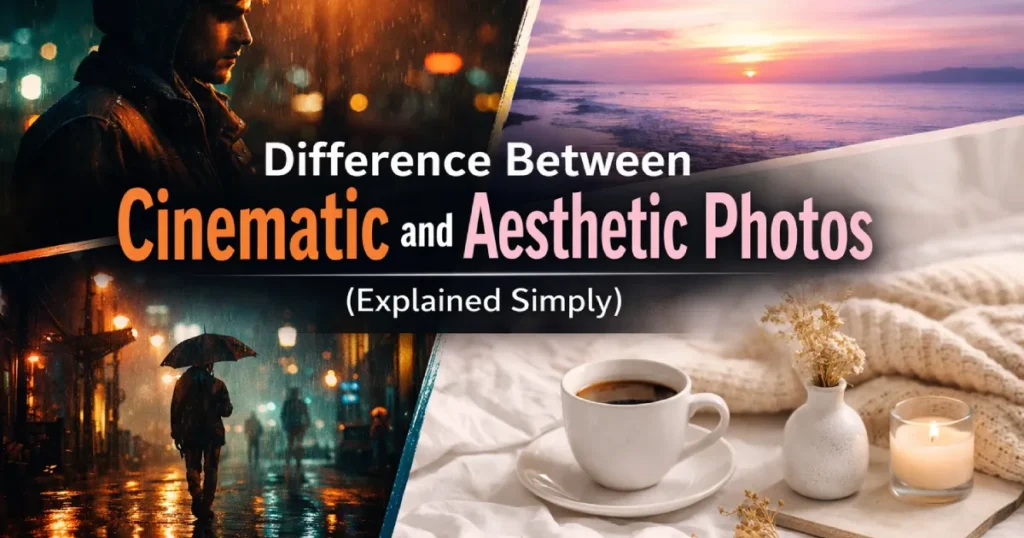
If you’ve ever scrolled through Instagram or Pinterest and thought, “Is this cinematic or aesthetic?” — you’re not alone.
The terms Cinematic and Aesthetic are used everywhere in photography, but most people mix them up. While both styles look visually pleasing, they create very different emotions and storytelling experiences.
In this guide, I’ll explain the difference in the simplest way possible — with clear definitions, visual breakdowns, use cases, and how to choose the right style for you.
Let’s break it down.
What Is Cinematic Photography?
Simple Definition
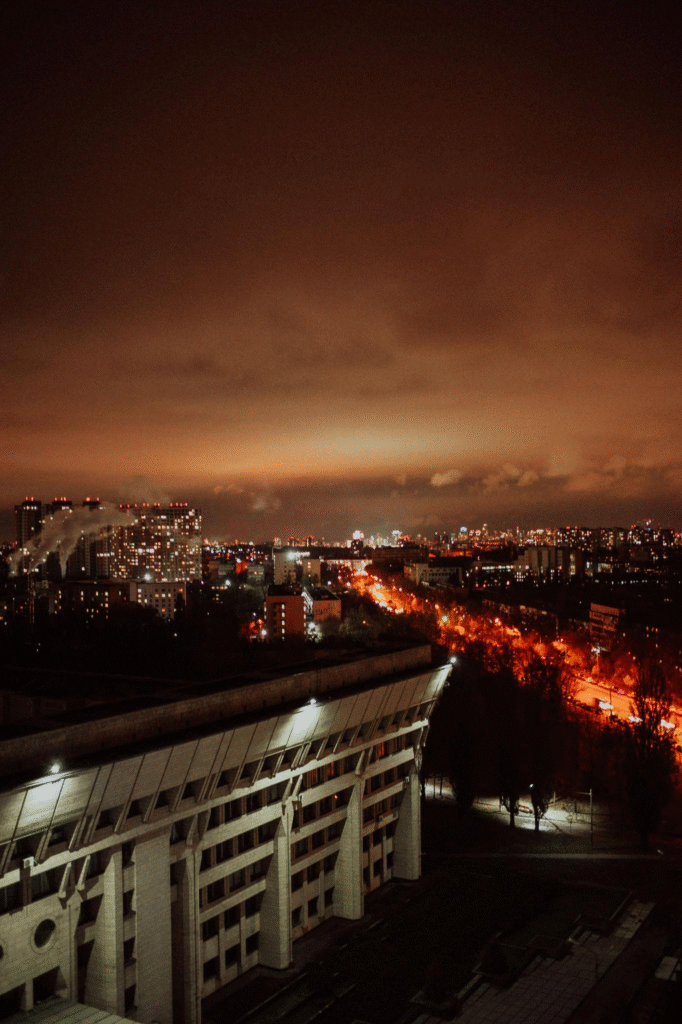
Cinematic photography is a style that makes your photo look like a scene from a movie.
It focuses on:
- Dramatic lighting
- Deep shadows
- Strong storytelling
- Mood-driven color grading (often teal & orange)
Instead of just capturing a moment, cinematic photos tell a story.
Key Characteristics
- High contrast lighting
- Darker tones and moody atmosphere
- Wide framing or dramatic close-ups
- Emotional intensity
- Film-inspired color grading
Example in Words
Imagine someone standing alone under a streetlight in the rain at night. Shadows around them. Slight fog. Moody colors. It feels like a movie scene.
That’s cinematic.
What Is Aesthetic Photography?
Simple Definition
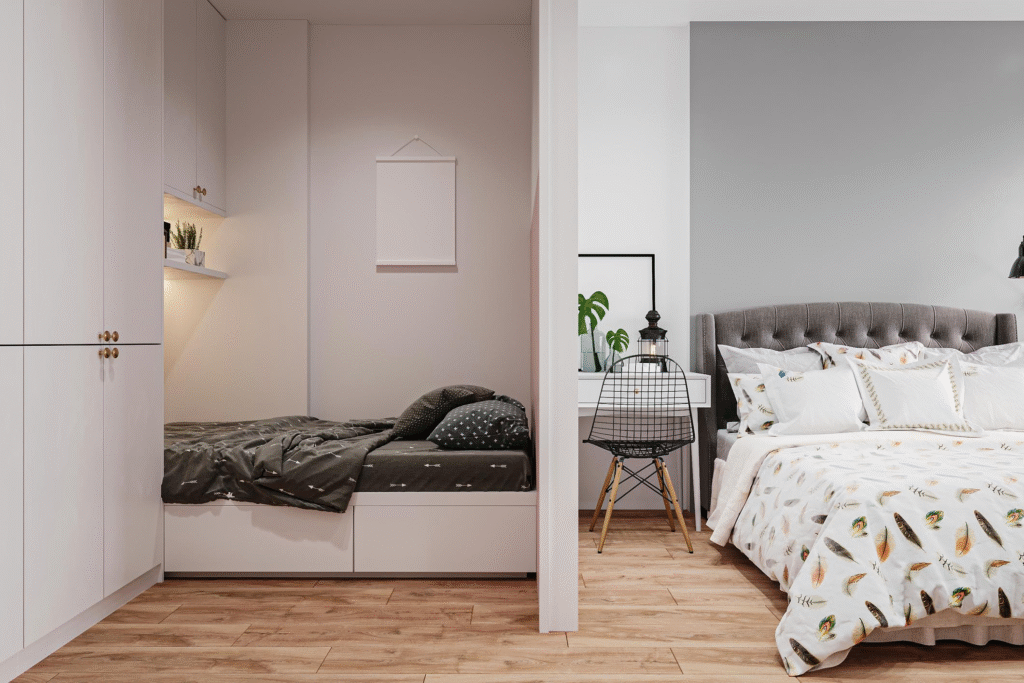
Aesthetic photography focuses on beauty, vibe, and pleasing visuals.
It’s less about storytelling and more about:
- Harmony
- Soft colors
- Visual balance
- Mood consistency
It creates a “pretty” or “visually satisfying” look.
Key Characteristics
- Soft or bright lighting
- Pastel or warm tones
- Clean composition
- Minimal distractions
- Instagram-friendly vibes
Example in Words
Think of a cozy coffee cup near a window with soft sunlight, pastel tones, and a clean background.
It feels calming and pretty.
That’s aesthetic.
Cinematic and Aesthetic: Visual Differences Explained
Here’s a simple side-by-side comparison to make things crystal clear:
| Feature | Cinematic | Aesthetic |
|---|---|---|
| Main Goal | Tell a story | Look visually pleasing |
| Lighting | Dramatic, directional | Soft, natural |
| Colors | Moody, deep, contrast-heavy | Light, pastel, warm |
| Emotion | Intense, powerful | Calm, dreamy |
| Editing Style | Film-inspired color grading | Soft filters & balanced tones |
| Common Use | Short films, reels, storytelling | Instagram posts, lifestyle content |
Emotional Difference (The Real Secret)
Most people think the difference is just about colors.
It’s not.
The biggest difference between Cinematic and Aesthetic styles is emotion.
- Cinematic makes you feel something intense.
- Aesthetic makes you feel something pleasant.
Cinematic = Drama
Aesthetic = Vibe
Use Cases: When to Use Each Style
🎬 When to Choose Cinematic
- Short films
- YouTube storytelling videos
- Dramatic portraits
- Travel storytelling
- Brand storytelling campaigns
- Emotional reels
Cinematic works best when you want to create impact.
🌸 When to Choose Aesthetic
- Instagram feed posts
- Pinterest content
- Lifestyle blogging
- Fashion photography
- Personal branding
- Product photos
Aesthetic works best when you want consistency and beauty.
Which Style Suits You?
Here’s a quick decision guide:
Choose Cinematic If:
- You love movies and storytelling
- You enjoy editing deeply
- You like dramatic lighting
- You want to stand out
Choose Aesthetic If:
- You love soft colors
- You prefer clean & minimal photos
- You focus on social media consistency
- You want easy editing workflow
Can You Mix Cinematic and Aesthetic?
Yes — and this is where creators get creative.
You can:
- Use cinematic lighting with aesthetic color tones
- Keep aesthetic composition but add cinematic shadows
- Shoot cinematic, edit softly
But beginners should first master one style.
Common Mistakes Beginners Make
- Over-editing cinematic shots (too dark, details lost)
- Using random filters in aesthetic photography
- Confusing “dark” with cinematic
- Ignoring lighting (lighting matters more than editing)
Pro Tip:
Lighting creates 70% of the style. Editing is only the final 30%.
Final Comparison Summary
If I explain it in one line:
Cinematic photography tells a story like a movie.
Aesthetic photography creates a pleasing visual vibe.
Both are beautiful.
But they serve different purposes.
Frequently Asked Questions (FAQs)
1. Is cinematic photography better than aesthetic?
No. It depends on your goal. Cinematic is better for storytelling. Aesthetic is better for social media visuals.
2. Can phone cameras shoot cinematic photos?
Yes. With proper lighting and editing apps, smartphones can create cinematic results.
3. Is aesthetic photography easier than cinematic?
Generally yes. Cinematic requires more lighting control and advanced editing.
4. Which style works best for Instagram growth?
Aesthetic usually works better for feed consistency. Cinematic works better for reels and storytelling content.
5. What editing apps are good for cinematic and aesthetic styles?
For cinematic:
- Lightroom
- DaVinci-style color grading presets
For aesthetic:
- Lightroom presets
- VSCO
- Snapseed
Conclusion
Understanding the difference between Cinematic and Aesthetic photography changes how you shoot forever.
If you want drama and storytelling — go cinematic.
If you want beauty and harmony — go aesthetic.
There’s no “better” style.
There’s only the right style for your purpose.
Now that you know the difference, which one matches your personality?
Start experimenting today.